October 31, 2026
Getting into an unexpected parking lot scrape or minor fender bender can throw off your whole day. Modern car bumpers take the brunt of these little mishaps to protect the rest of your vehicle. Exploring a few straightforward points helps you understand what goes into getting your ride looking sharp again. Taking prompt action keeps minor bumps from lingering, letting you enjoy a clean, proud ride every time you drive.
1. Checking the Depth of Surface Scrapes and Dents
Minor scuffs, paint rubs, and shallow shopping cart dents happen to almost every daily driver over time. If a low-speed bump leaves only cosmetic blemishes, a skilled technician can smooth out the plastic, apply matching paint, and make the whole corner look like new. Booking a focused bumper repair handles everyday scratches quickly and cost-effectively, keeping original parts intact while restoring a showroom shine.
However, deep gouges that slice all the way through the thick plastic cover tell a different story. When an impact shaves away layers of material or leaves jagged tears, smoothing out the surface becomes much tougher. If large chunks of plastic go missing during an accident, rebuilding the missing contour rarely holds up over years of highway driving. In those heavier situations, swapping the damaged cover for a fresh replacement panel offers a cleaner, longer-lasting fix for your daily travels.
Technicians examine the damaged area under bright lights to see if the plastic has stretched beyond its elastic limit. Plastic parts that stretch out of shape often leave wavy, warped ripples that cannot pop back into place flat. Catching stretched plastic early keeps you from wasting time on simple smoothing when a fresh part makes far more sense. Looking closely at surface depth gives you a clear path forward toward making your vehicle look proud and flawless once more.
2. Inspecting Broken Fasteners and Hidden Mounting Clips
Your outside bumper cover stays tight against the car fenders thanks to dozens of small plastic tabs, metal brackets, and snap-in clips. When an impact pushes the bumper inward, these tiny mounting tabs frequently snap off cleanly behind the scenes. Opting for a focused bumper repair secures loose edges firmly, stopping annoying vibrations and keeping outer seams flush with neighboring headlights and metal fenders.
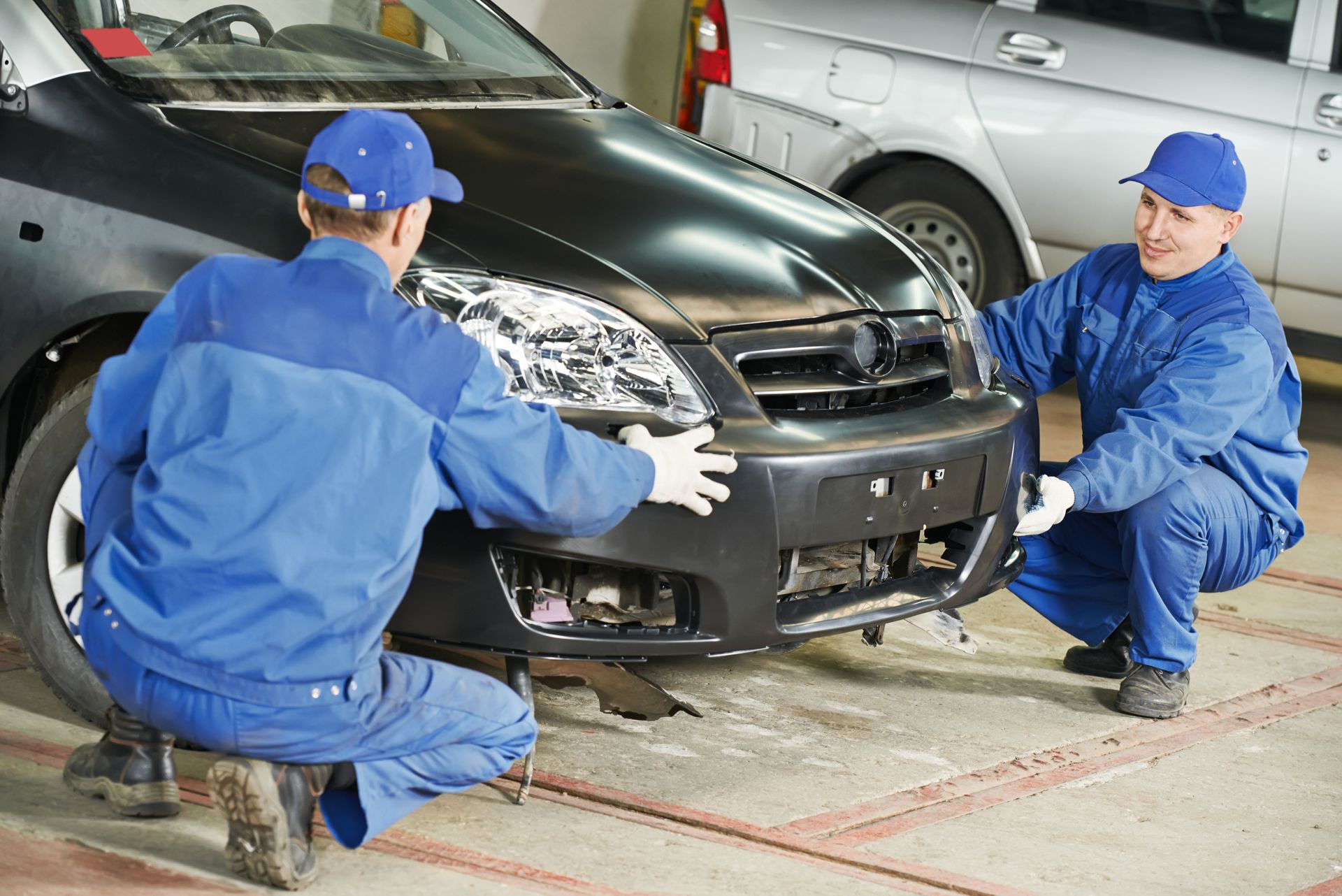
When multiple mounting tabs shatter across the entire top edge, the whole plastic cover loses its grip on the car body. A bumper with broken clips can sag, rattle loose over bumpy railroad tracks, or catch oncoming highway wind, pulling away from the headlights. Once mounting points break across wide sections, attaching the original piece back onto your car securely becomes difficult. Installing a brand-new replacement cover provides fresh, strong mounting brackets that snap into place solidly for years of quiet driving.
According to Mordor Intelligence, spare auto parts make up around 38.5% of the national body repair market. Because replacement components are so widely available, putting on a fresh bumper cover is a very common and straightforward process. Professional technicians check every hidden clip, splash guard screw, and bracket during their inspection to verify that everything holds tight. Making sure your bumper mounts solidly keeps parts from flopping in the breeze, giving your vehicle a clean, tightly assembled appearance.
3. Evaluating Hidden Structural Bars and Foam Cushions
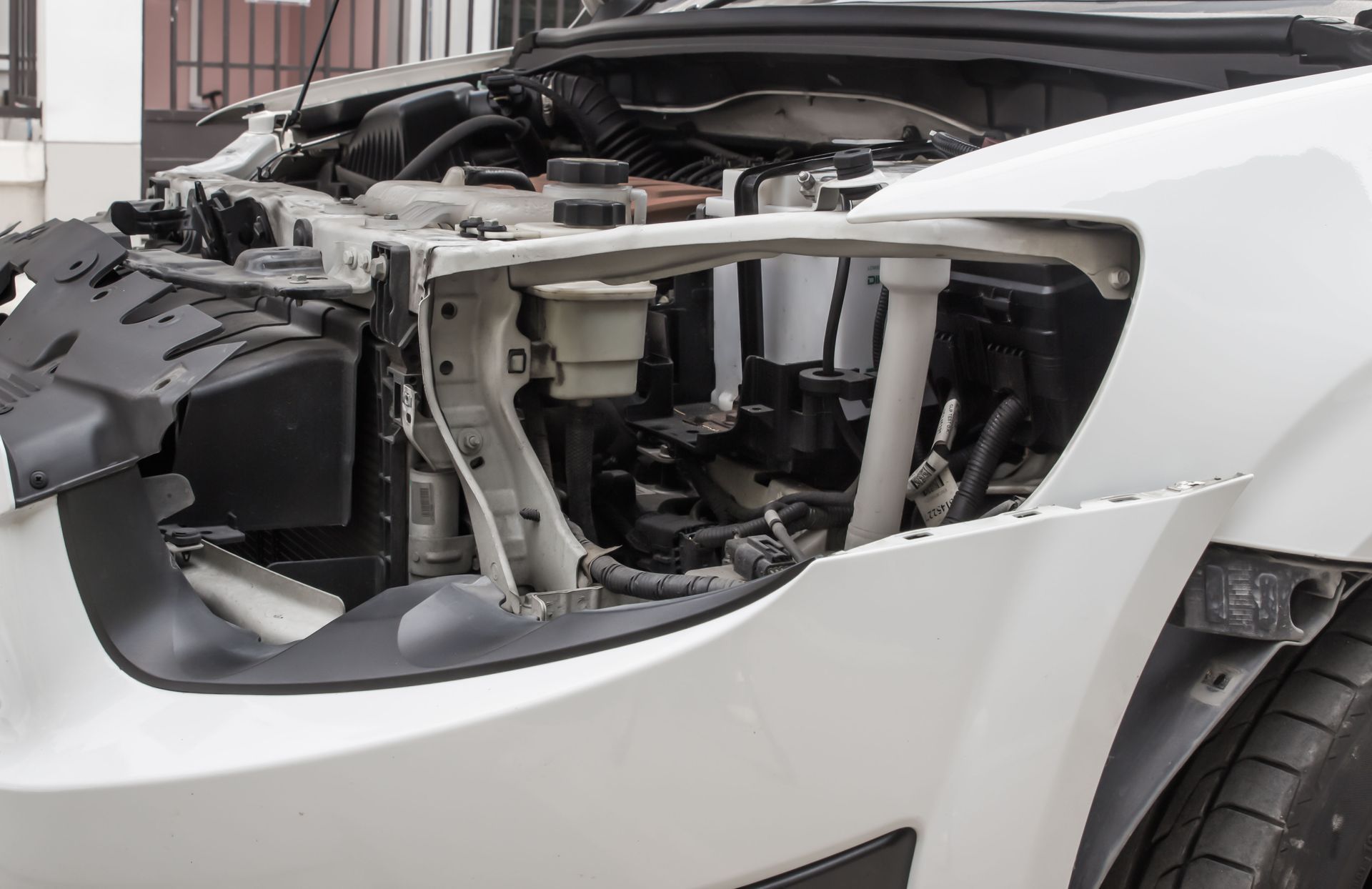
Behind the glossy exterior plastic skin sits an entire hidden defense network designed to absorb impact energy during an accident. Directly behind the outer cover lies a thick block of impact-absorbing foam and a heavy steel or aluminum support bar. If a low-speed tap leaves this inner bar untouched, taking care of the cosmetic outer shell through a dedicated bumper repair is all you need. Certified technicians remove the plastic skin to verify that everything underneath remains perfectly straight, solid, and undamaged.
If a collision pushes hard enough to bend the metal support bar or crush the safety foam, safety becomes the main priority. That hidden metal beam connects straight into your vehicle frame rails, protecting the engine, radiator, and front suspension during major roadway impacts. Crushed foam and cracked metal support beams cannot absorb a second impact properly, which can leave passengers at risk in future accidents.
Trained technicians check your vehicle's frame mounting points to confirm that collision energy did not twist the underlying chassis. Even minor structural twists can pull body panels out of square, causing hoods and tailgates to rub when opening or closing. Straightening or replacing damaged inner supports brings back the strong safety shield your car had when it first left the factory showroom. Taking care of hidden structural parts gives you total peace of mind every time your family hits the road.
4. Assessing Built-In Cameras and Digital Safety Sensors
Modern bumpers house far more than just plastic and paint; they carry blind-spot sensors, cross-traffic alerts, and parking cameras. These tiny electronic eyes help you back into tight spaces and spot hidden obstacles before you bump into them. When a minor scrape happens away from these delicate electronics, a technician can complete a quick bumper repair without disturbing sensitive digital components.
When a heavy bump directly hits an electronic parking sensor or pushes a radar unit out of place, technical complexity rises quickly. Cracked sensor housings or dented radar brackets prevent smart safety systems from scanning surrounding traffic properly, triggering annoying dashboard warning lights. High-tech sensors need precise millimeter alignment to read nearby cars correctly, and warped plastic covers make holding that alignment impossible.
After physical repairs or panel replacements wrap up, technicians plug in diagnostic scan tools to test every digital safety helper. They run electronic calibration steps so your backup cameras, lane alerts, and automatic braking aids read distances accurately. Skipping proper sensor calibration can lead to false alarms or delayed emergency braking in heavy traffic when it's most needed. Restoring both the physical shell and the digital tech keeps modern driver-assist features working together in total harmony.
5. Weighing Overall Project Costs and Long-Term Value
Every vehicle owner wants smart solutions that balance out-of-pocket costs with high-quality, long-lasting results. For minor parking dings and surface scuffs, choosing a high-quality bumper repair saves you money on expensive replacement parts. Fixing original parts keeps costs low, gets your car out of the repair shop faster, and keeps original factory body pieces right where they belong.
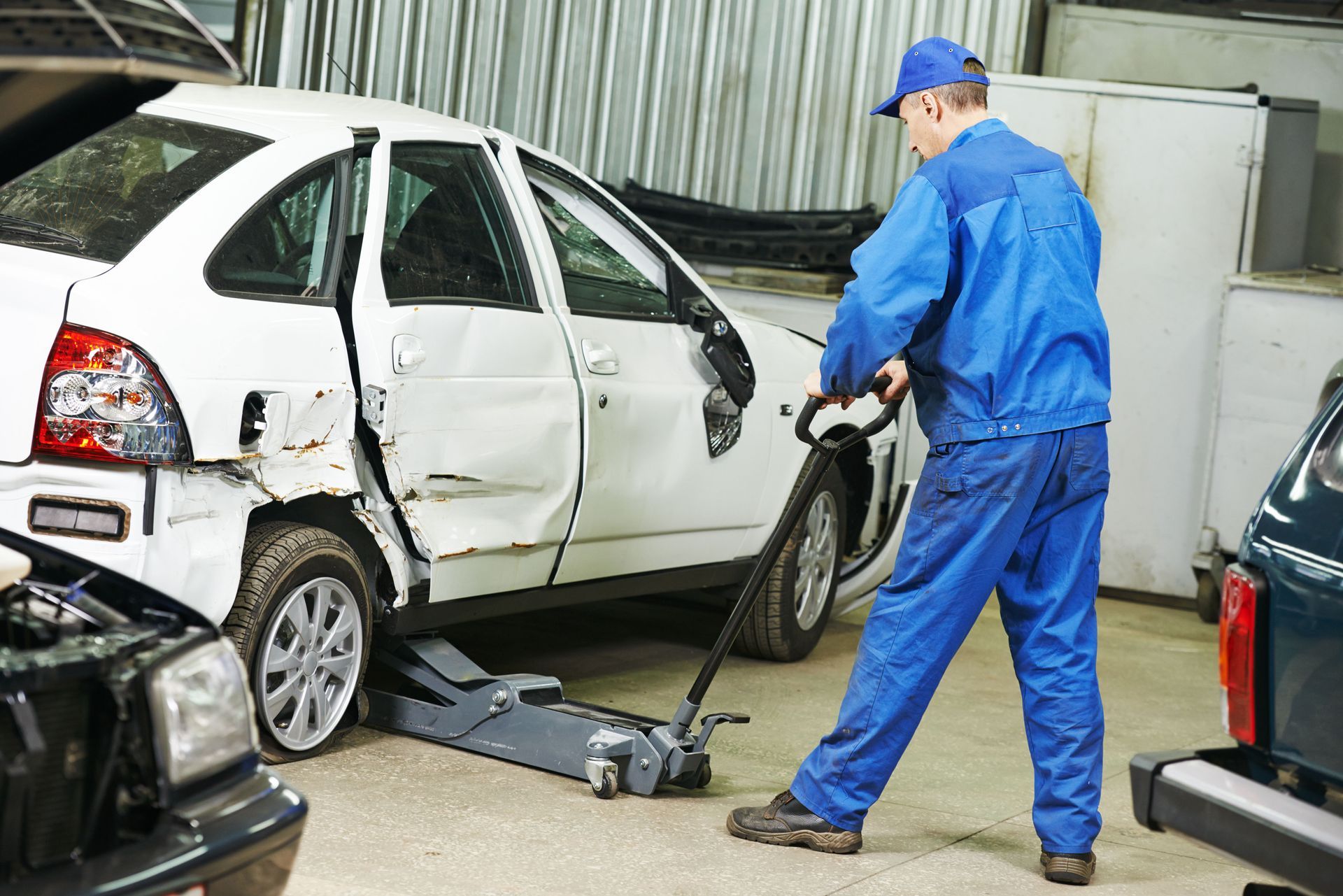
When damage spreads across large areas with deep cracks, snapped brackets, and twisted plastic, labor hours add up fast. Paying a technician hours of time to heat-weld plastic, reconstruct mounting tabs, and lay down multiple filler coats can end up costing more than ordering a fresh part. In severe cases, unboxing a fresh replacement bumper cover saves labor time and provides a factory finish. A new panel keeps your resale value strong, assuring future buyers that your vehicle received top-quality care after an accident.
Investing in a thorough bumper repair or a clean panel replacement protects your vehicle from peeling paint, rust, and hidden mechanical issues. Professional technicians explain the condition of your bumper clearly, helping you pick the smartest path for your specific vehicle and personal budget. Caring for your exterior keeps your car looking sharp, running safely, and holding high market value across every single mile of travel.
Deciding between bumper repair and replacement comes down to looking at crack size, broken clips, inner supports, and digital safety sensors. Whether your vehicle needs gentle reshaping or a fresh replacement cover, experienced technicians restore outside beauty and hidden safety. Let CK Colours take care of your bumper damage and keep your ride looking sharp and traveling safely.