October 30, 2026
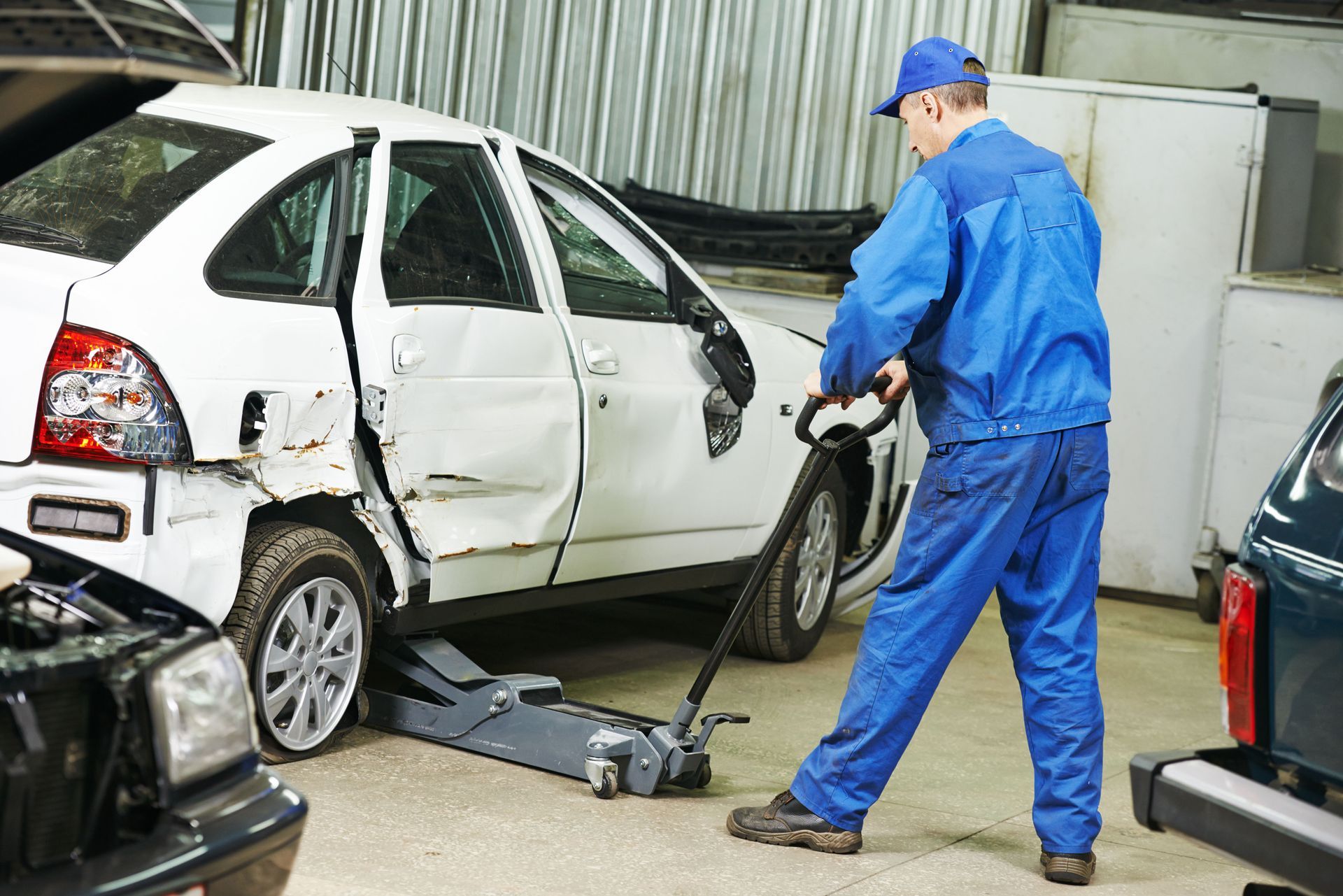
Modern vehicles do far more than simply carry us down the highway in style. Today, smart safety systems quietly watch the road, apply brakes automatically, and keep cars centered in traffic lanes. Understanding how advanced tech influences auto body repairs helps drivers appreciate the high-tech care modern vehicles receive after common roadway fender benders.
Understanding Modern Safety Sensors and Cameras
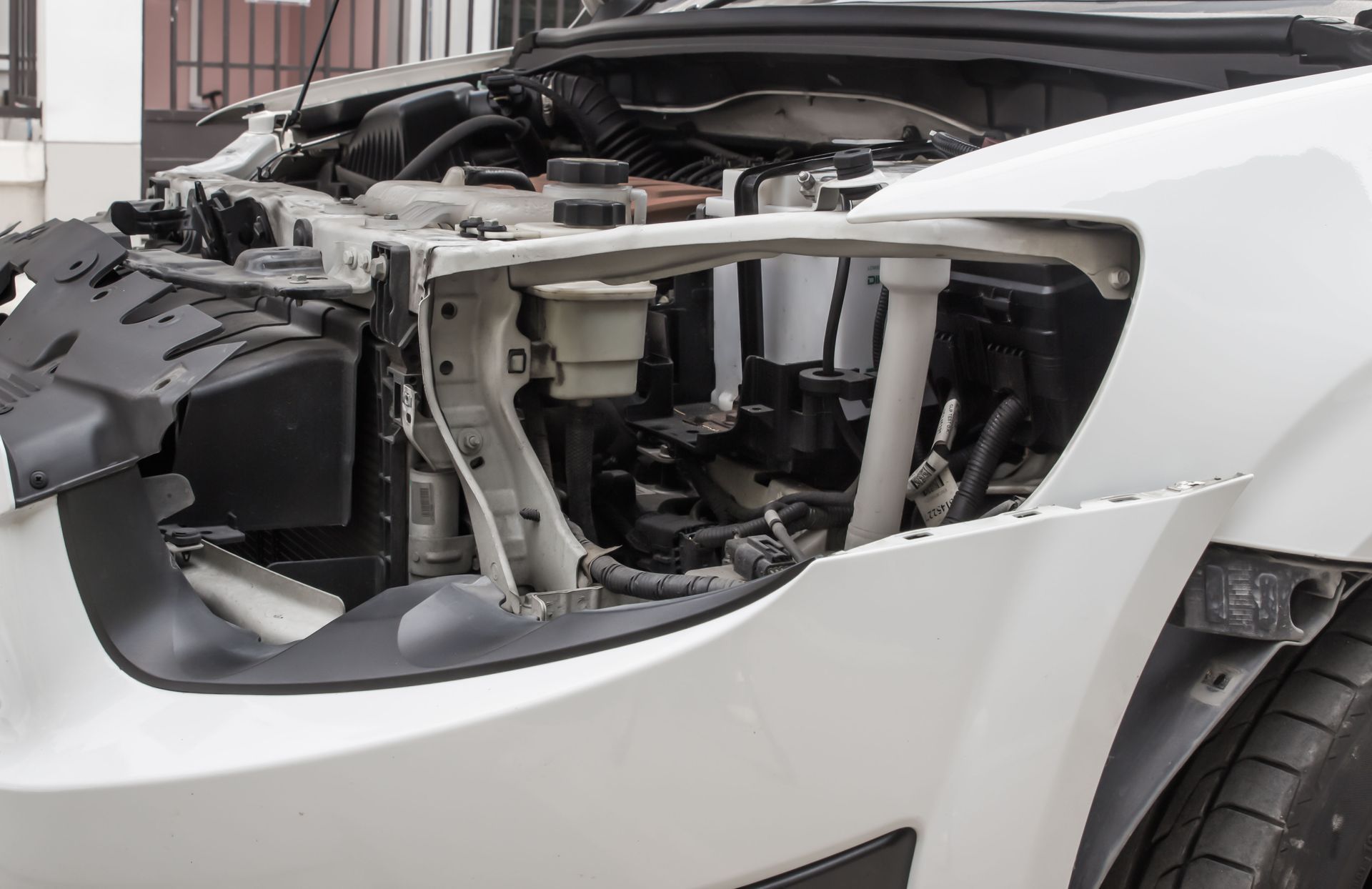
Modern vehicles carry an impressive array of high-tech digital helpers that make driving much safer and far less stressful. Advanced driver assistance systems, commonly known as ADAS, rely on tiny cameras, radar units, and ultrasonic sensors spread around the vehicle. These clever devices sit hidden behind windshield glass, inside plastic bumper covers, and on side mirror housings. Modern auto body repairs now focus just as much on digital calibration as they do on fixing dented metal panels.
Sensors work as the electronic eyes and ears of your car, watching for sudden traffic slowdowns and nearby pedestrians. When a front bumper takes a hit in a crowded parking lot, those delicate sensors can shift out of place instantly. Certified technicians use specialized electronic scanners to run full health checks on every sensor before and after performing exterior sheet metal work. Finding tiny electronic faults early prevents hidden safety issues from lingering unnoticed once the cosmetic paint work looks smooth and finished.
According to CCC, at least 50% of registered vehicles are expected to have eight ADAS systems by 2029. This rapid growth means that collision repair facilities now operate more like advanced tech hubs than old-fashioned body garages. Repair specialists receive extensive training to understand how each individual sensor communicates with the main vehicle computer brain. Caring for these smart safety devices keeps safety features responding properly whenever unpredictable highway traffic comes to a sudden halt.
Calibrating Advanced Digital Driver Assistance Systems
Putting parts back where they belong physically is only half the battle when fixing modern high-tech vehicles. Once a new bumper or windshield gets installed, technicians perform detailed calibration routines to reset the electronic eyes of the car. Static calibration happens inside specialized shop bays with level floors, uniform lighting, and printed optical target boards positioned at exact distances. Precision targets let onboard cameras reset their visual depth perception so automatic emergency braking triggers at the exact right moment.
Dynamic calibration takes the vehicle out onto paved roads under specific driving conditions to fine-tune radar components. The vehicle computer monitors lane markings, passing traffic, and roadside signs while traveling at steady speeds to learn its environment. Testing the cameras both in the garage and out on the road keeps your lane assist steady so the car stays centered instead of drifting from side to side. Taking these extra technical steps prevents annoying false alarms from ringing on dashboard screens during family road trips.
Skipping proper sensor calibration can lead to serious driving hazards when traveling down the highway at full speed. A camera tilted just one degree off center can misjudge car distances by dozens of feet down the road. Highly trained technicians follow strict factory alignment steps for every single model to avoid dangerous calculation errors. Expert attention during modern auto body repairs keeps blind spot monitors, cross-traffic alerts, and automated cruise control working together in perfect harmony.
Replacing Delicate Windshields and Front Grilles
Front windshields used to be simple sheets of curved safety glass designed to block wind, rain, and highway gravel. Today, the upper area of the windshield houses forward-facing cameras that read road signs and detect upcoming obstacles. When a cracked windshield requires replacement, technicians must install glass that matches original optical clarity standards down to the millimeter. Distorted replacement glass bends incoming light waves, confusing safety cameras and causing erratic automatic braking responses on the highway.
Front grilles have also evolved into high-tech housings for long-range radar units that manage adaptive cruise control systems. When a minor collision cracks a front plastic grille, replacement parts must allow radar waves to pass through without interference. Using low-grade plastics or applying overly thick paint layers over radar zones blocks electromagnetic signals from reading traffic ahead accurately. Seasoned technicians select certified replacement components and measure paint thickness carefully to keep signal pathways open, clean, and completely unobstructed.
Combining precision glass installation with correct bumper adjustments preserves factory crash safety ratings across the board. Experienced technicians check structural mounting brackets to confirm that replacement camera brackets sit perfectly flat against fresh glass surfaces. Special adhesives need exact curing times before calibration equipment can connect to the vehicle computer. Close attention to small details keeps your front-facing safety shields scanning the road ahead with complete optical clarity.
Managing Intricate Wiring and Computer Networks
Beneath the glossy painted exterior panels lies a dense network of high-speed wiring harnesses and delicate data cables. Modern vehicle sensors transmit massive amounts of real-time digital information to onboard computers every single second. During common fender benders, collision forces can pinch thin wires behind body panels without cutting through the outside plastic loom. Skilled repair specialists inspect internal wiring routes thoroughly during routine auto body repairs to catch hidden pinches before they cause electrical shorts.
Fixing modern automotive wiring requires special tools, moisture-sealed connectors, and exact soldering techniques that maintain rapid data speeds. Wrapping compromised wires with standard electrical tape invites corrosion from road salt and rain moisture down the line. Water sneaking into damaged wiring connectors leads to intermittent sensor blackouts and strange dashboard warning lights. Experienced technicians replace damaged wire sections with factory-grade harnesses, securing them safely away from sharp metal edges and hot engine components.
Computer diagnostic scans performed before and after structural repairs give technicians a clear view of the vehicle's electronic health. Advanced scanning reveals stored trouble codes that identify which safety systems suffered shock damage during the initial collision event. Post-repair scans confirm that every onboard computer module communicates happily across the digital network with zero lingering error codes. Comprehensive computer validation gives drivers confidence that every hidden safety feature is fully awake, alert, and active.
Restoring Structural Metals and Outer Finishes
The metals used to build modern vehicle frames and exterior skins have changed dramatically over the past two decades. Automakers now blend ultra-high-strength steel, lightweight aluminum alloys, and composite plastics to build strong yet light structures. High-strength steel absorbs heavy crash forces to protect passenger cabins, but it cannot be hammered or heated like older automotive metals.
Applying paint over sensitive radar and sonar zones demands strict adherence to paint manufacturer thickness specifications. Metallic paint flakes reflect radar waves, so spraying too many heavy clear coats over a bumper can blind hidden sensors. Skilled painters measure paint mil thickness with digital gauges to keep coatings within strict factory tolerances. Precision paint application allows the finished car to shine brilliantly in the sun while allowing bumper sensors to see through the color coat effortlessly.
Investing in top-quality auto body repairs restores the eye-catching beauty and high-tech safety that drivers expect from their vehicles. Certified collision professionals understand the delicate balance between structural metal strength, smooth cosmetic finishes, and complex computer sensor networks. Restoring every bracket, wire, and digital camera returns your car to its original factory condition inside and out. Thorough craftsmanship keeps your vehicle looking fantastic while giving your family steady protection through every upcoming journey.
Modern automotive technology keeps our roads safer by spotting everyday hazards before drivers can even react. Relying on professional auto body repairs restores delicate sensors, high-strength metals, and smart cameras to factory specifications. Skilled technicians bring advanced safety features back to life, keeping your daily driving smooth, reliable, and completely worry-free. Visit CK Colours today to get your vehicle back in top shape and keep your safety systems working smoothly on every drive.